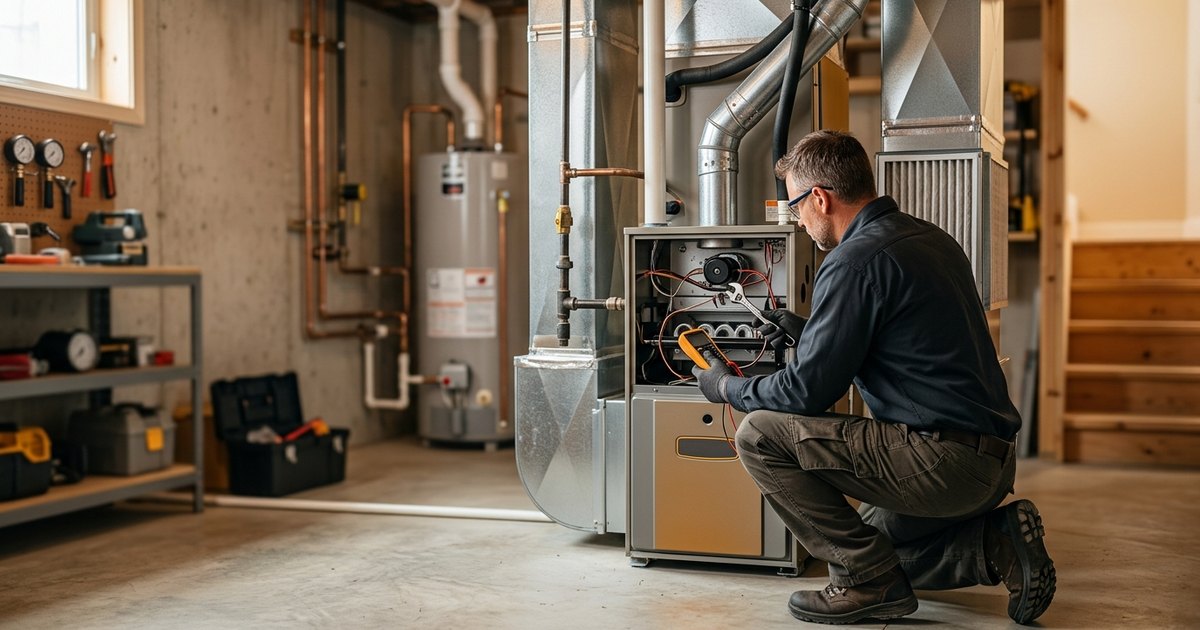
Fall is the perfect time to schedule a furnace tune up — before the first cold snap hits and every HVAC tech in is booked solid. A well-timed tune up keeps your heating system running efficiently, lowers your energy bills, and can catch small problems before they become expensive breakdowns. Here's everything you need to know about furnace tune up costs and what you're actually paying for.
What Does a Furnace Tune Up Typically Cost?
A standard furnace tune up in the US typically costs $80 to $150 for a basic inspection and cleaning. More comprehensive service visits — sometimes called a full HVAC maintenance service — can run $150 to $250, especially if the technician inspects and services both your furnace and your air handler or blower motor in detail.
Factors that affect the price include:
- Your location. Labor rates in smaller markets tend to be somewhat lower than major metro areas.
- Furnace type. Gas furnaces, oil furnaces, and electric furnaces each have different service requirements. Oil furnaces typically cost more to service — often $150 to $250 — because they require filter and nozzle replacements.
- Age and condition. An older furnace or one that hasn't been serviced in several years may take longer to inspect, pushing costs higher.
- Service contract vs. one-time visit. Many HVAC companies offer annual maintenance plans for $150 to $300 per year that include a tune up plus priority service and discounts on repairs.
- Time of year. Scheduling in fall (peak season) may cost slightly more than booking during summer when demand is lower.
What's Included in a Furnace Tune Up?
A reputable technician should do more than just glance at your unit and hand you a bill. A thorough tune up typically includes:
- Inspecting the heat exchanger for cracks (a cracked heat exchanger can leak carbon monoxide — this is a serious safety issue)
- Cleaning the burners and combustion chamber
- Checking and adjusting the blower motor and belt
- Testing ignition and safety controls
- Inspecting the flue and venting system for blockages or damage
- Measuring airflow and checking the filter (replacing the filter is sometimes an add-on cost of $10–$30)
- Testing thermostat calibration
- Checking gas pressure and connections on gas furnaces
- Lubricating moving parts
Ask for a checklist before or after the visit so you know exactly what was done.
Safety Notes You Should Not Skip
A furnace tune up isn't just about efficiency — it's a safety check. Pay close attention to these points:
- Carbon monoxide (CO) risk. A cracked heat exchanger can allow CO — a colorless, odorless gas — to enter your living space. Make sure you have working CO detectors on every floor of your home, especially near sleeping areas.
- Gas leaks. A tech should check all gas connections. If you ever smell rotten eggs near your furnace, leave the house immediately and call your gas utility.
- Flue blockages. Birds, debris, or deteriorating flue liners can cause dangerous exhaust backup. This should always be inspected.
- Electrical components. Loose wiring or failing capacitors are fire hazards. A qualified tech will check these during a tune up.
Never delay a furnace inspection if your unit is making new noises, producing a burning smell, or short-cycling (turning on and off frequently).
DIY vs. Hiring a Pro: Where's the Line?
Some furnace maintenance tasks are genuinely DIY-friendly:
- Replacing the air filter — Do this every 1–3 months. A clean filter is the single easiest way to improve efficiency.
- Keeping vents clear — Make sure supply and return vents aren't blocked by furniture or rugs.
- Checking your thermostat — Replace batteries annually and test that the heating mode works correctly before cold weather arrives.
- Clearing the area around the furnace — Remove stored items, flammable materials, and debris.
However, you should always hire a licensed professional for:
- Inspecting or cleaning the heat exchanger
- Adjusting gas pressure or burners
- Testing safety controls and limit switches
- Inspecting or repairing the flue
- Any electrical work inside the unit
DIY gas furnace work without proper training and tools is dangerous and may void your equipment warranty. When in doubt, call a pro.
How to Find a Reliable Furnace Tech Without Overpaying
Getting multiple quotes is the best way to make sure you're paying a fair price. When evaluating technicians:
- Verify licensing. if your state requires HVAC technicians to be licensed, ask for their license number.
- Check for background screening. Platforms like FixFinder connect homeowners with background-checked, vetted local handymen and HVAC pros, so you're not taking a chance on an unknown contractor.
- Read reviews. Look for technicians with consistent positive feedback specifically on furnace work.
- Get a written quote before any work begins. A reputable tech won't pressure you into same-day repairs.
- Ask what's included. Some low advertised prices don't include filter replacement or certain cleaning steps.
Posting your job on FixFinder is free, and you only pay when the work is done — so there's no risk in getting a few quotes from local pros.
FAQ
How often should I get a furnace tune up?
Most HVAC manufacturers and energy experts recommend a professional furnace tune up once a year. The ideal time is fall, before you start using the heat regularly. Annual servicing keeps your warranty valid, maintains efficiency, and ensures safety systems are functioning correctly heading into the coldest months.
Is a furnace tune up worth the money?
Yes, for most homeowners. A well-maintained furnace runs 10–15% more efficiently than a neglected one, which adds up to real savings on your gas or electric bill each month. More importantly, catching a cracked heat exchanger or a failing control board early — during a tune up — typically costs far less than an emergency repair or full replacement in the middle of winter.
What if the technician finds something wrong during the tune up?
A tune up is an inspection and cleaning, not a full repair. If the tech discovers a problem — a worn inducer motor, a failing capacitor, or a cracked heat exchanger — they'll typically provide a separate repair estimate. You are not obligated to have them do the repair on the spot. Get the issue in writing, research the typical cost for that specific repair, and compare quotes before proceeding.
Can a furnace tune up be done on an older furnace?
Absolutely, and it's often more important. Older furnaces (15+ years) are more prone to wear and safety issues. That said, if your tech finds major issues — especially a cracked heat exchanger on a furnace nearing the end of its lifespan — it may make more financial sense to replace the unit than to invest in repairs. A good technician will give you an honest assessment of repair-vs-replace based on the unit's age and condition.
Get it Fixed
Ready to get your furnace tuned up before winter? Post your job free on FixFinder and receive quotes from vetted, background-checked local pros — you pay nothing until the job is done.
Questions from homeowners (0)
Ask anything about this guide. Vetted FixFinder handymen answer.
Sign in as a homeowner to ask a question.